Coroners findings relating to the use of Super Single Steer Tyres
Posted: 19-Feb-2026 |
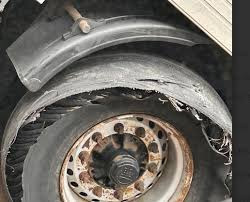
On the 26th of August 2024 three people were killed when a truck fitted with super single steer tyres that was travelling south on the southern motorway in Auckland experienced a blow out of the front right steer tyre that resulted in the truck crossing through the central median barriers and into the side of a van travelling in the northbound lane.
Coroner AJ Mills has made the following recommendations directed at the trucking industry and tyre service industry at large:
That all operators of heavy motor vehicles review their current tyre maintenance schedules and ensure that they are fit for purpose and reflect the type of terrain, load and use the tyres are exposed to. Tyre maintenance schedules should take into account that super single steer tyres are more sensitive to wear and may require additional attention.
That operators keep an accurate record of their tyre maintenance schedules including when purchased, milage, usage, repairs undertaken, rotation of tyres, alignment and tyre pressure checks.
That truck drivers are reminded of, and educated about: The importance of pre-trip inspection of tyres including checking for any cuts, cracks, bulges, tread damage and other visible damage and the need to take appropriate action to repair or replace any damage.
Checking tyre pressure with a Tyre Pressure Monitoring System (TPMS). Maintaining the correct tyre pressure is vital. Super single steer tyres need to be inflated to the manufacturer’s recommended pressure to avoid overheating, handling issues or critical tyre failure; and
Speed – Super single steer tyres retain more heat, increasing the risk of premature wear during long trips or heavy loads. Drivers need to adhere to the maximum speed recommendations from the tyre manufacturer to mitigate this risk.
National Road Carriers urges all members to take the recommendations very seriously and to review their processes with urgency. The consequences of a steer tyre failure can be catastrophic especially in a 6×4 configuration.
Coroner Mills report has also recommended that NZTA urgently prioritise the replacement of all remaining 5,533 metres of “legacy barrier” systems on the state highway network.
It is clear to coroner Mills that the legacy barriers systems are inadequate for today’s environment, particularly with the increase in heavy vehicles on the state highways. Replacing them only when they are unable to be repaired and subject to funding, is in his view, not sufficient, given the devastating consequence when they fail. He therefore confirm his recommendation that Waka Kotahi NZTA urgently prioritise the replacement of all remaining “legacy barrier” systems on the state highway network.
National Road Carriers supports this recommendation as the barriers do not provide sufficient protection to prevent vehicles from breaching them and suitable barrier systems are available.
Search Articles
Search Trucks Database
NZ Truck & Driver Magazine
Read Now


 + EQUIPMENT GUIDE - FREE